Scott 3200A Tailwheel – Fully Rebuilt: Durable Tailwheel Steering and Landing Gear Solution
Scott 3200A Tailwheel – Fully Rebuilt: Durable Tailwheel Steering and Landing Gear Solution
Blog Article
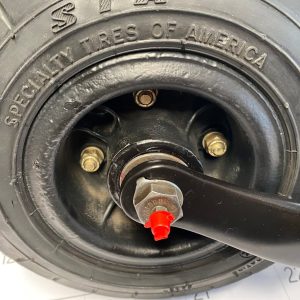
The Scott 3200A Tailwheel – Fully Rebuilt combines an established aviation design with inspected, serviced, adjusted, and replaced components intended to restore dependable mechanical operation. Clear rebuild records help aircraft owners and maintenance professionals evaluate the tailwheel before installation.
The Scott 3200A Tailwheel Assembly remains relevant for restoration work, scheduled maintenance, worn-component replacement, and ground-handling improvement projects. The actual condition of a Scott Tailwheel Assembly should be determined through appropriate inspection rather than cosmetic appearance alone.
The Aircraft Tailwheel Assembly should remain properly aligned, lubricated, secured, adjusted, and compatible with the complete aircraft steering system. A General Aviation Tailwheel may be used on training aircraft, classic taildraggers, bush airplanes, utility platforms, experimental aircraft, and restored vintage designs.
Whether the goal is a Replacement Aircraft Tailwheel or a broader purchase of General Aviation Landing Gear Parts, qualified review provides the strongest foundation.
Overview of the Fully Rebuilt Scott 3200A
The Scott 3200A is designed to provide tail support, wheel rotation, steering response, and controlled swiveling for compatible conventional-gear aircraft. Replacing the tailwheel alone may not correct a wider installation problem.
Benefits of the Scott 3200A Tailwheel Assembly
The assembly is intended to withstand repeated ground operation when installed, adjusted, lubricated, and serviced correctly. Reusable parts may remain acceptable when they pass inspection, while worn or damaged components should be replaced appropriately.
Scott Tailwheel Reliability and Condition
Worn components should be replaced while retained items should meet suitable inspection criteria. Transparent rebuild information supports stronger commercial credibility and buyer confidence.
How an Aircraft Tailwheel Assembly Works
Tailwheel condition influences taxi tracking, turning ability, maneuverability, and pilot workload. Incorrect linkage tension can cause delayed steering, harsh engagement, restricted movement, or unnecessary component loading.
Choosing a General Aviation Tailwheel
Grass, gravel, and dirt can introduce moisture, abrasive particles, vegetation, and debris into moving areas. Vintage aircraft may require additional compatibility review because previous owners may have changed springs, chains, wheels, or mounting hardware.
Choosing an Aircraft Tailwheel
Its geometry, tire condition, fork alignment, steering arrangement, and internal condition can influence ground behavior. The axle and bearings should be included in routine maintenance and rebuild inspection.
Taildragger Tailwheel Performance
Mechanical wear, poor alignment, or unsuitable steering adjustment can increase pilot workload. Pilots should avoid unnecessary mechanical stress while using operating techniques appropriate to the aircraft and surface.
Understanding an Aviation Tailwheel System
A worn tail spring Aircraft Ground Handling Tailwheel or loose mounting bolt may cause poor tracking even when the rebuilt tailwheel remains mechanically serviceable. Correct setup supports consistent Aviation Tailwheel System operation.
Tailwheel Steering Assembly Performance
A professional rebuild should address the complete Tailwheel Steering Assembly rather than only visible exterior parts. Hardware should remain secure, correctly sized, and appropriate for the assembly.
Aircraft Taxi Steering Performance
Poor steering response can increase tire wear, brake use, pilot workload, and difficulty in confined spaces. Towing should use appropriate equipment and procedures that avoid overloading steering arms, chains, springs, forks, or mounting structures.
Scott 3200 Series Tailwheel Heritage
Its established design supports servicing, adjustment, rebuilding, and parts replacement by knowledgeable aviation professionals. Buyers should verify markings, mounting dimensions, steering-arm arrangement, wheel configuration, and included components.
Benefits of a Heavy-Duty Aircraft Tailwheel
A larger or heavier-looking assembly is not automatically appropriate for every aircraft. Durability depends on structural condition, bearing service, steering-spring integrity, wheel alignment, lubrication, tire condition, and correct installation.
Inspecting Tailwheel Aircraft Parts
Every component should match the intended Scott assembly and aircraft installation. The rebuild should examine all interacting parts rather than focusing on external appearance.
Aircraft Tailwheel Directional Control
The assembly should respond without excessive delay, harsh engagement, binding, or uncontrolled movement. Maintenance personnel should inspect steering arms, springs, chains, fork structure, wheel condition, and mounting points after significant events.
Benefits of a Replacement Aircraft Tailwheel
A Replacement Aircraft Tailwheel should be selected through exact aircraft application, mounting details, tail-spring configuration, steering arrangement, and suitable technical information. A professional pre-installation review protects both the aircraft and the buyer’s investment.
General Aviation Landing Gear Parts
Each component contributes to aircraft support, ground control, steering, braking, or load absorption. Used or rebuilt landing gear parts should be listed with accurate identification, condition, rebuild history, package contents, and available documentation.
Evaluating a Scott 3200A Tailwheel
The seller should disclose which parts were replaced, which components were retained, and whether repairs or limitations remain.
- Resolve identification, compatibility, and completeness questions before payment.
- Review the rebuild summary for disassembly, cleaning, inspection, bearing replacement, bushing work, spring service, lubrication, hardware renewal, adjustment, and testing.
- Retain all purchase and rebuild records with the appropriate aircraft maintenance information.
Scott Tailwheel Fitment and Adjustment
Mounting surfaces, steering springs, chains, hardware, and attachments should be reviewed before the rebuilt unit is installed. The tailwheel should move through its intended range without binding, abnormal looseness, interference, or contact with surrounding components.
Professional follow-up adjustment may be necessary after initial operation.
Long-Term Scott 3200A Care
Aircraft operating from dirt, grass, gravel, mud, or backcountry strips may require more frequent attention. Pilots should inspect the tailwheel before operation for tire damage, loose hardware, bent parts, steering-link condition, contamination, corrosion, and visible misalignment.
Suitable lubricant should be applied at the correct locations without attracting unnecessary contamination.
Selecting a Scott 3200A Tailwheel Assembly
The Scott 3200A Tailwheel – Fully Rebuilt may suit aircraft owners, bush operators, restoration facilities, flight schools, maintenance organizations, and pilots seeking renewed ground-handling performance. The strongest purchase decision begins with confirming model identity, rebuild scope, replaced components, retained parts, structural condition, tire status, steering arrangement, included hardware, and aircraft compatibility.
Whether the requirement is a Scott 3200A Tailwheel Assembly, Scott Tailwheel Assembly, Aircraft Tailwheel Assembly, or General Aviation Tailwheel, exact installation details should guide the purchase. With responsible operation, protected shipping, timely maintenance, and organized documentation, the rebuilt tailwheel can remain a valuable aviation component.
Report this page